
New Psilocybin-Assisted Therapy Service Launches for End-of-Life Distress
Written by Fi Darracott-Cankovic
The Soul-a-Psybin Project has recently started offering a new therapeutic option for patients living with terminal illness; Psilocybin-Assisted Therapy. This project is led by Dr. Fi Darracott-Cankovic, a General Practitioner and Hospice Dr at Dove Hospice & Wellness, Auckland. She has been granted permission by Medsafe (NZ medicine regulatory body), since October 2025, to prescribe psilocybin for people with terminal illness who are experiencing existential distress. This landmark approval positions Aotearoa at the cutting edge of the emerging field of psychedelic therapy, and signals the first time psilocybin-assisted therapy will be available for palliative care, outside of a research setting, in Australasia.
People with terminal illness often face the challenge of profound emotional and existential suffering, including loss of meaning, overwhelming fear of death, anxiety and depression. Current treatments have limited efficacy and can cause side effects that reduce quality of life. Psilocybin-assisted therapy offers a new approach and a source of hope for patients, with research suggesting it can provide rapid, significant and long-lasting relief from existential distress.
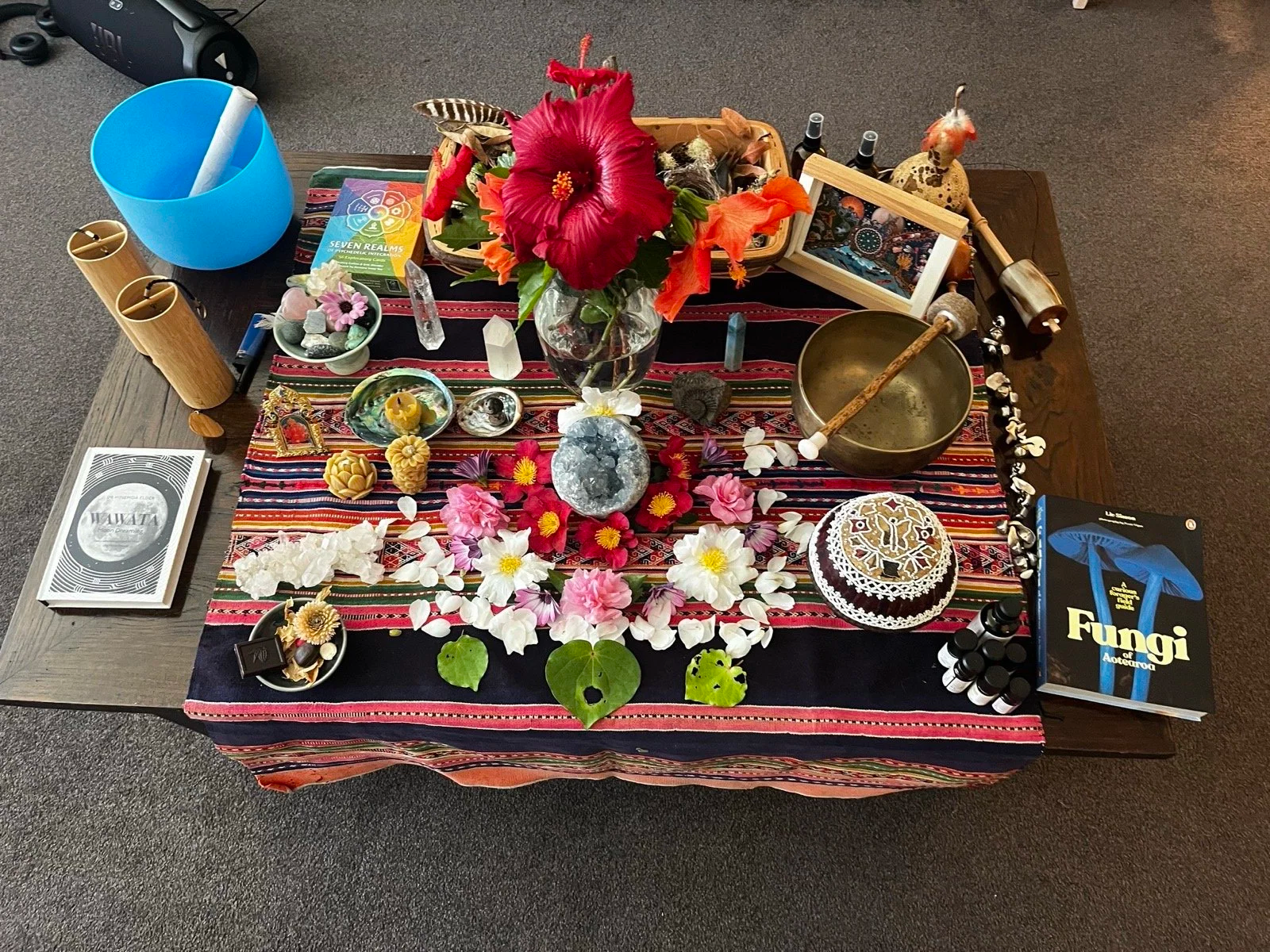
The Soul-a-Psybin Project’s clinical protocol and treatment approach has been developed by Dr. Darracott-Cankovic in partnership with members of The Psychedelic Assisted Care Collective (PACC). This is a collaborative and diverse team of healthcare professionals, dedicated to providing personalised, culturally responsive, and compassionate care, embedded within the principles of Te Tiriti o Waitangi. It includes GPs, Palliative Care Specialists, Psychiatrists, Registered Nurses, Health Psychologists, Psychotherapists, Researchers, Music Therapists and Art Therapists. Their approach places psilocybin treatment within a wider framework of holistic care, which includes comprehensive therapeutic support before, during, and after the psilocybin session.
Dr. Darracott-Cankovic has completed international clinical training in psychedelic-assisted therapy, with a focus on psilocybin, ketamine, and MDMA-assisted therapy. She has several years of clinical experience delivering ketamine-assisted therapy at Dove Hospice, and has been involved in psychedelic research at the University of Auckland, investigating MDMA for mood disorders in advanced cancer and ketamine-assisted psychotherapy for treatment-resistant depression.
The Soul-a-Psybin Project receives expert oversight and support from both international and local leaders in psychedelic-assisted therapy, Māori community members, neuropharmacologists and clinical researchers.
Call for Funding:
To ensure equitable access for those in need, our vision is to provide this groundbreaking service at no cost to eligible patients. We have successfully provided treatment to 2 patients so far, however, the Soul-a-Psybin project currently requires urgent funding to sustain this new service.
We are seeking donors who share our aim of expanding access to a compassionate and potentially life-changing therapy for people with terminal illness in Aotearoa. All donations will directly contribute to the provision of this meaningful and innovative service, with one comprehensive round of treatment estimated at $10,000 per patient.
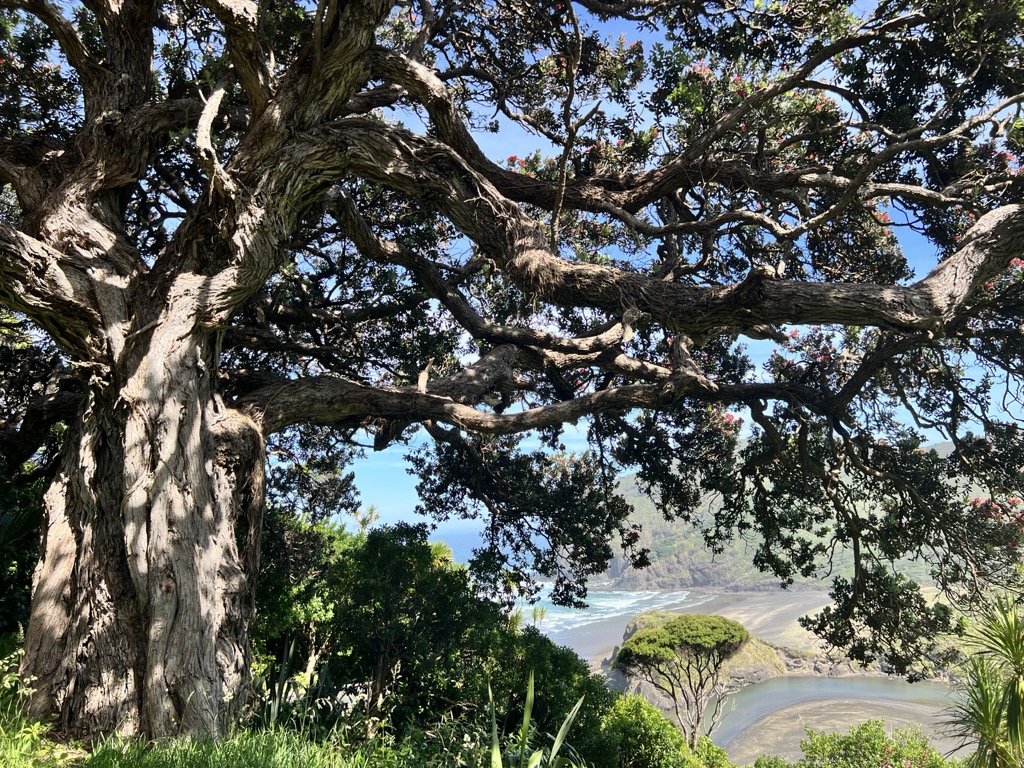
Mā te huruhuru ka rere te manu – With feathers the bird will fly.
(Symbolising that support, resources, nurturing and care allow a being to reach their potential)
For further information, please contact: Dr Fi Darracott-Cankovic - fi.darracottcankovic@gmail.com
Members of the PACC include: Anna-Leigh Hodge (Ngātiwai, Te Rarawa, Health Psychologist, Kaupapa Māori Researcher), Dr Renske van den Brink (Medical Dr, Counsellor), Kelly Woods (Registered Nurse), Carlos Reigelhaupt Landreani (Music Therapist), Trisha Cassidy (Psychotherapist), Lee Young (Creative Therapist), Dr Tom Paterson (Consultant Psychiatrist).