

Webinar: Pathways into Clinical Psychedelic Treatment Provision in Aotearoa
Psilocybin, MDMA and Ibogaine: Navigating the legislation and putting psychedelic treatment into practice
26th August 2026
This webinar brought together three experts with practical knowledge of very different pathways into psychedelic treatment in Aotearoa. The panelists were:
Dr Fi Darracott-Cankovic - fi.darracottcankovic@gmail.com
Dr Tom Paterson - tom@braided.nz
Dr Geoff Noller - geoff.noller@gmail.com
Watch the recording here: https://youtu.be/HnUJObrWdB4
In this webinar we covered:
The current legal and regulatory pathways for psilocybin, MDMA and ibogaine
What is involved in preparing and submitting a Medsafe application
Reality of moving from training and preparation into running a clinical service
The realities of waiting for a decision and what the process reveals about the developing field
Ibogaine’s unique legal status as a prescription medicine in New Zealand
The history, risks and safety lessons associated with ibogaine treatment
The importance of training, supervision, teamwork and appropriate clinical expertise
How doctors, therapists, researchers and other professionals can responsibly become involved
The discussion will also explore who holds responsibility within these services, how multidisciplinary teams can work together, and what is needed to build safe, credible and sustainable psychedelic treatment pathways in Aotearoa.
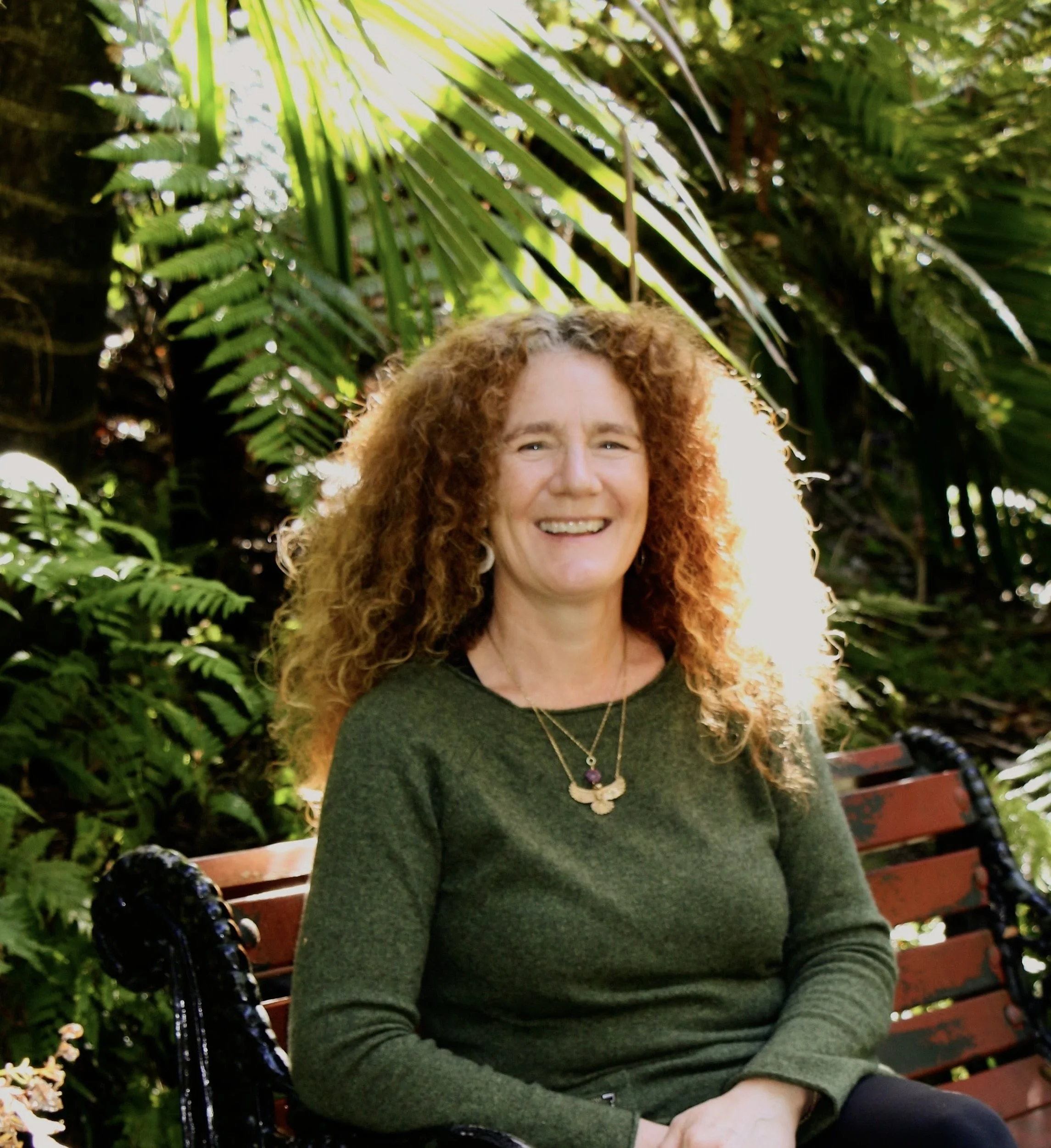
Fi Darracott-Cankovic
Dr Fi Darracott-Cankovic is an integrative medical doctor and Fellow of the Royal New Zealand College of General Practitioners with more than 20 years of experience in general practice and hospice care. She specialises in holistic care for people with cancer and life-limiting illnesses, including psilocybin and ketamine-assisted therapy, medicinal cannabis and other supportive somatic therapies such as shiatsu massage and acupuncture. She has completed extensive training in PAT and contributed to clinical research involving ketamine- and MDMA-assisted therapy. Fi successfully completed the Medsafe application process in October 2025 and is the first clinician authorised to prescribe psilocybin for palliative patients with existential distress. She will reflect on preparing the application, establishing the right team and systems, beginning treatment with patients, and what she has learned since the service began.
Geoff Noller
Dr Geoff Noller is a medical anthropologist and independent researcher specialising in psychotropic drugs, drug policy and harm reduction. He completed his PhD at the University of Otago and works through his research consultancy, Substance Use and Policy Analysis. Geoff led a New Zealand 12-month observational study examining ibogaine treatment for opioid dependence and has also published research on the subjective and transformative experiences associated with ibogaine. His work considers both its potential to reduce opioid withdrawal and dependence and the significant medical risks involved. Geoff will discuss ibogaine’s unique legal status as a prescription medicine in New Zealand, the history and evidence behind its use, and the screening, medical oversight and clinical expertise required to provide treatment responsibly.
Tom Paterson
Dr Tom Paterson is a psychiatrist who has been involved in psychedelic research in Auckland and Dunedin and is specialising in addiction psychiatry. His work focuses on the potential role of PAT in supporting people experiencing trauma, addiction and other complex mental health conditions. He also brings together practitioners interested in developing safe and responsible psychedelic treatment in Aotearoa. Together with his colleagues, Tom has prepared and submitted an application for MDMA-assisted therapy for PTSD and is currently awaiting a decision. He will discuss the thinking behind their treatment model, how the pathway differs from psilocybin treatment, and the practical realities of navigating an evolving regulatory process.
Date: 26th August, 2026
Time: 7:30–9:00 pm NZST
Location: Zoom
Cost: Free
Moderated by Tina Swann and Tehseen Noorani
Support this volunteer-led seminar series
This seminar series is organised and delivered by volunteers. There are still essential running costs, including webinar hosting, recording, video storage and the tools needed to make these educational events freely available. Any contribution, large or small, will help us cover these costs and continue building a safe and ethical psychedelic therapy ecosystem in Aotearoa.
Donations are warmly welcomed. Please visit: https://support.auckland.ac.nz/psychedelic-therapy